Cleaner Learning Spaces for Growing Minds
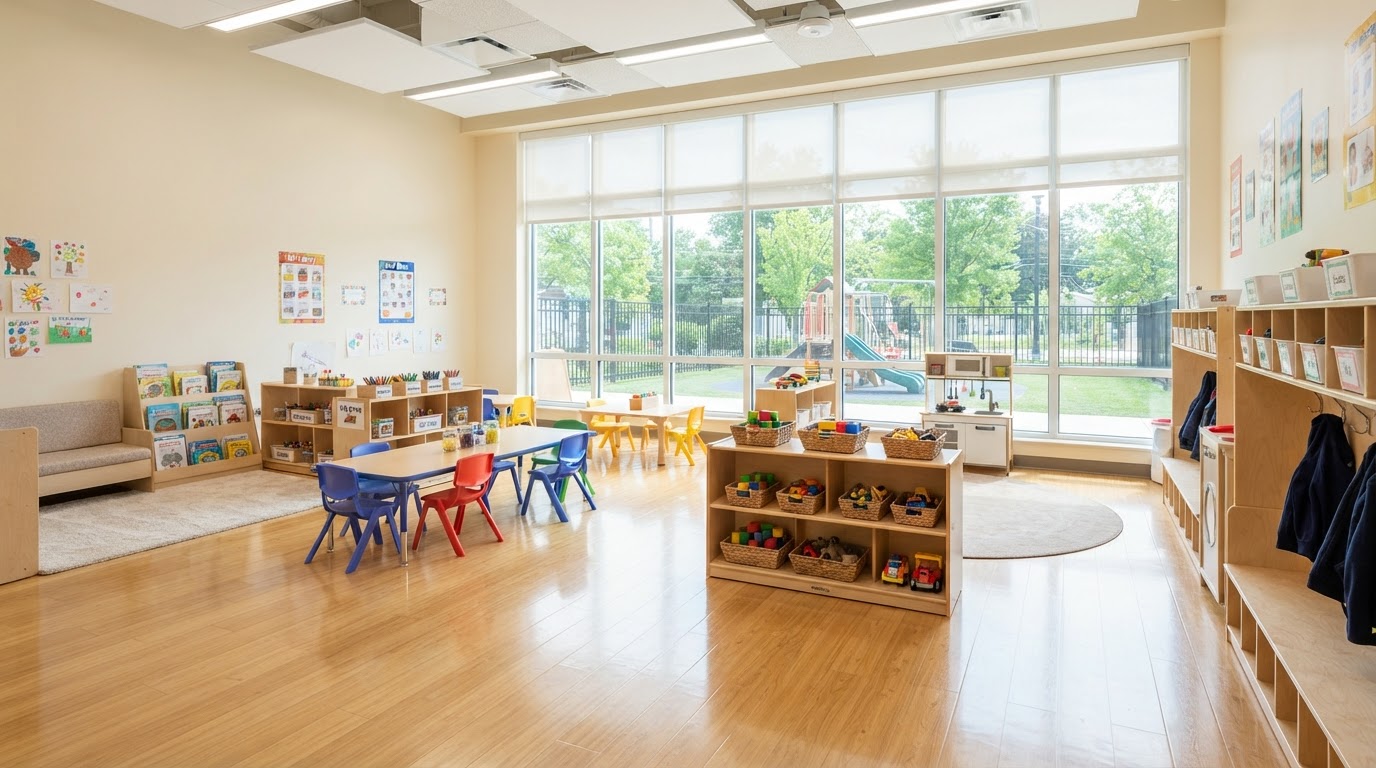
Children learn, play, eat, and interact closely throughout the day. Homerun Commercial Cleaning provides dependable school and daycare cleaning designed around busy classrooms, frequently touched surfaces, child-sensitive environments, and the unique sanitation needs of educational facilities.
Help Create a Cleaner Place to Learn and Grow
Schools and childcare centers require more than occasional dusting and floor care. Classrooms, restrooms, play areas, cafeterias, and shared surfaces experience constant use. Homerun Commercial Cleaning creates a customized scope of work that identifies which areas will be serviced, the tasks included, approved products, cleaning frequency, restricted areas, and responsibilities that remain with teachers or childcare staff.
We provide customized cleaning services for private schools, preschools, daycare centers, early-learning programs, tutoring centers, and other educational facilities throughout Gwinnett County, Metro Atlanta, and surrounding areas. Cleaning plans are developed around each facility's age groups, enrollment, daily schedule, room usage, floor types, food-service areas, and sanitation requirements.
Understanding Cleaning, Sanitizing, and Disinfecting
These terms are not interchangeable. Each serves a distinct purpose in a school or daycare environment.
Cleaning
Removes dirt, debris, and many germs using soap or detergent and water. Cleaning should always happen before sanitizing or disinfecting.
Sanitizing
Reduces germs to levels considered safer under applicable public-health requirements. Commonly used for food-contact surfaces, highchair trays, and certain toys.
Disinfecting
Uses an appropriate disinfectant to kill germs identified on the product label. Generally reserved for restrooms, diaper-changing areas, illness-related contamination, and other designated surfaces.
Surfaces should be cleaned before they are sanitized or disinfected. Products must be suitable for the surface and remain wet for the contact time listed on the label.
Little Hands Touch Everything
Children interact closely with tables, toys, floors, doors, faucets, and shared classroom materials throughout the day. These are the frustrations we hear most often from school and daycare administrators before they switch to Homerun Commercial Cleaning.
- Classrooms that still look dusty after service
- Sticky tables or floors
- Restrooms developing odors
- Trash containers being missed
- High-touch surfaces receiving inconsistent attention
- Dirty entrance glass and doors
- Carpet stains and worn-looking floors
- Cleaning products with strong odors
- Cross-contamination between restrooms and classrooms
- Toys not being cleaned according to facility procedures
- Cleaning occurring while children are present
- Cleaners leaving chemicals or equipment accessible
- Missed visits and unreliable arrival times
- Poor communication after an issue
- Cleaners moving student projects or confidential records
- Lack of clarity about bodily-fluid cleanup
- Inconsistent results between cleaning teams
- Cleaning schedules that interfere with classes or childcare routines
A Cleaning Program Built Around Your Facility
Homerun Commercial Cleaning creates a customized cleaning program focused on the spaces students and staff use most without disrupting the learning environment. Here is what sets us apart.
- Background-checked cleaning professionals who follow a documented room-by-room checklist
- Flexible daytime or evening scheduling built around your school or daycare hours
- A written scope of work that clearly assigns responsibilities between cleaners and staff
- Separate tools for restrooms, classrooms, kitchens, and other designated areas
- Licensed and insured service with free on-site estimates
Our School and Daycare Cleaning Process
A straightforward five-step approach that takes you from first call to a consistently clean educational facility.
Free On-Site Assessment
A representative visits your facility to evaluate total square footage, enrollment and age groups, number of classrooms, student and employee traffic, restrooms and diaper-changing areas, cafeterias and food-service spaces, playrooms and indoor activity areas, administrative offices, staff breakrooms, entryways and common areas, floor and surface types, frequently touched surfaces, approved and restricted products, allergies or fragrance sensitivities, areas requiring staff supervision, access requirements, preferred cleaning schedule, facility sanitation policies, and responsibilities assigned to teachers or childcare employees.
Customized Cleaning Plan
Homerun creates a written scope based on the walkthrough. The plan identifies areas included in every visit, tasks performed in each room, cleaning, sanitizing, and disinfection responsibilities, approved products and dilution procedures, required product contact times, service frequency, toy-cleaning responsibilities, food-contact surface procedures, diaper-changing-area procedures, bodily-fluid response boundaries, laundry responsibilities, restricted areas, and quality-control procedures.
Initial Detail Cleaning
When necessary, the first service addresses accumulated dust, floor buildup, restroom conditions, baseboards, classroom furniture, entrance glass, corners, and other neglected areas. This establishes a clean baseline for recurring service.
Routine Scheduled Cleaning
During each visit, the assigned team follows the approved room-by-room checklist. Cleaners work systematically and use separate tools for restrooms, classrooms, kitchens, and other designated areas when required.
Quality Checks and Communication
Completed work is reviewed against the agreed scope. Your school or daycare has a clear way to report concerns, communicate illness-related needs, request additional service, and update restricted-area instructions.
Typical Cleaning Areas and Tasks
The exact checklist is customized for each facility. These are the areas and tasks that may be included in your written scope of work.
Classrooms
- Emptying ordinary trash and replacing liners
- Vacuuming carpet and classroom rugs
- Sweeping and damp-mopping hard floors
- Dusting accessible surfaces
- Cleaning tables and approved furniture
- Spot-cleaning doors and walls
- Cleaning door handles and light switches
- Wiping approved cubbies and storage exteriors
- Cleaning sinks, faucets, and counters
- Straightening common areas without disturbing student work
- Cleaning approved frequently touched surfaces
- Spot-cleaning interior glass
Daycare and Preschool Rooms
- Cleaning low tables and child-sized furniture
- Cleaning approved hard-surface toys
- Cleaning play-area floors
- Vacuuming rugs and carpet
- Cleaning cubbies and storage exteriors
- Cleaning sinks and faucets
- Disinfecting approved high-touch surfaces
- Cleaning feeding-area surfaces
- Cleaning approved nap-area surfaces
- Emptying ordinary waste
- Cleaning diaper-changing areas according to facility procedures
Restrooms
- Cleaning and disinfecting toilets and urinals
- Cleaning sinks, faucets, and counters
- Cleaning mirrors
- Disinfecting handles, locks, switches, and dispensers
- Sweeping and mopping floors
- Emptying ordinary waste
- Restocking customer-provided supplies
- Removing visible soil
- Addressing odors
- Spot-cleaning partitions and walls
Cafeterias and Dining Areas
- Cleaning tables and seating
- Sweeping and mopping floors
- Emptying ordinary trash
- Cleaning frequently touched surfaces
- Cleaning doors and handles
- Spot-cleaning visible spills
- Cleaning serving-area exteriors
- Cleaning approved food-contact surfaces using designated products and procedures
Libraries, Computer Labs, and Media Centers
- Emptying ordinary trash
- Vacuuming carpet
- Mopping hard floors
- Dusting accessible furniture and shelving
- Cleaning tables and chairs
- Spot-cleaning glass
- Cleaning approved high-touch surfaces
Gymnasiums and Activity Rooms
- Sweeping or vacuuming floors
- Damp-mopping compatible surfaces
- Emptying ordinary trash
- Cleaning bleachers and seating when included
- Cleaning door handles and push plates
- Cleaning approved shared surfaces
- Spot-cleaning walls and doors
Administrative Offices and Staff Areas
- Emptying ordinary trash
- Dusting accessible surfaces
- Vacuuming and mopping floors
- Cleaning common touchpoints
- Spot-cleaning interior glass
- Cleaning breakroom counters, sinks, and appliance exteriors
- Avoiding confidential student and employee records
Hallways and Entrances
- Vacuuming entrance mats
- Sweeping and mopping floors
- Cleaning doors and push plates
- Spot-cleaning entrance glass
- Cleaning drinking fountains
- Dusting ledges
- Removing visible marks when included
- Cleaning handrails and other frequently touched surfaces
High-Touch Surfaces That Need Frequent Attention
Frequently touched surfaces require more attention than walls, ceilings, and other low-touch surfaces. The exact frequency should be determined by your facility's policies, student volume, room use, and sanitation plan.
Daycare-Specific Procedures
Childcare environments have unique cleaning requirements. These responsibilities must be clearly assigned between Homerun and your childcare staff.
Toys and Shared Materials
Toy cleaning responsibilities must be clearly assigned. The plan distinguishes among washable hard toys, toys placed in children's mouths, electronic toys, fabric or plush toys, books, outdoor toys, and toys that cannot safely be cleaned. Mouthed or contaminated toys should be removed from use until properly cleaned and sanitized. Products must be suitable for children's items, and rinsing may be required according to the product label or facility rules.
Diaper-Changing Areas
A diaper-changing surface should be cleaned of visible soil and then completely wetted with an appropriate disinfectant for the label's required contact time. Childcare staff remain responsible for changing children, handwashing, and direct childcare procedures. Homerun's role is limited to scheduled environmental cleaning unless a specific documented procedure has been established.
Nap Areas and Bedding
The cleaning plan identifies whether Homerun is responsible for cleaning cots or mats, disinfecting approved hard surfaces, handling sheets or blankets, laundering bedding, and storing clean and used linens. Laundry and bedding services should be confirmed separately before being included.
Food and Feeding Areas
Highchair trays, feeding tables, and food-contact surfaces may require sanitizing rather than standard disinfection. Only products approved for food-contact surfaces should be used, and rinsing may be required by the label. Childcare staff remain responsible for bottles, food preparation, dishes, and feeding supplies unless otherwise documented.
Safety and Cross-Contamination Controls
A professional cleaning plan for educational facilities may incorporate the following controls to help reduce the spread of germs between areas.
- Color-coded microfiber cloths
- Separate restroom and classroom cleaning tools
- Fresh mop heads or cloths for designated areas
- Clean-to-dirty cleaning patterns
- High-to-low cleaning
- Properly labeled products
- Safety Data Sheet availability
- Task-appropriate gloves and PPE
- Product dilution procedures
- Required disinfectant contact times
- Hand-hygiene expectations
- Secure chemical storage
- Wet-floor signs
- Procedures for reporting sharps, blood, vomit, or other bodily fluids
- Cleaning scheduled when children are not present
Equipment and Products
Depending on your facility and approved scope, the cleaning team may use:
- Commercial-grade vacuums
- HEPA-filtered vacuums when appropriate
- Microfiber cloths and flat-mop systems
- Color-coded cleaning tools
- Commercial mops, buckets, brooms, and dustpans
- Restroom-specific equipment
- Glass-cleaning tools
- Wet-floor signs
- Commercial floor-care equipment
- Gloves and task-appropriate PPE
- Properly labeled commercial cleaning products
- EPA-registered sanitizers or disinfectants when appropriate
Products are used according to their labels and stored away from children. Cleaning products are properly labeled, Safety Data Sheets are accessible, and employees are trained in correct handling and protective measures.
Important Service Boundaries
Children Should Not Be Present During Certain Tasks
Cleaning should be scheduled around school or daycare operations whenever possible. Children should be kept away from wet floors, cleaning chemicals, equipment, and recently treated surfaces until products have been used as directed and the area is ready for occupancy.
Bodily-Fluid and Biohazard Cleanup
Blood, vomit, feces, and other bodily fluids may create occupational-exposure risks. Cleaners will secure the area and notify your authorized facility representative rather than perform biohazard cleanup unless specific training, procedures, and capabilities have been confirmed and documented.
Student Records and Privacy
Cleaning teams do not move or examine student records, medical or medication records, individualized education plans, employee files, grade books, computers, tablets, personal belongings, or medications. Cleaners follow facility access and confidentiality procedures.
Pest, Mold, and Hazardous Materials
Routine cleaning does not include mold remediation, asbestos disturbance, pest control, lead-paint cleanup, sewage cleanup, or hazardous-material removal. These conditions require appropriate specialists.
Scheduling Built Around Your School or Daycare
Homerun Commercial Cleaning offers flexible daytime and evening cleaning. Scheduling options are customized to your operating hours and facility-access requirements, subject to availability and the property assessment.
How Much Does School or Daycare Cleaning Cost?
Pricing depends on the building's size, enrollment, number of classrooms and restrooms, age groups served, floor types, cleaning frequency, food-service areas, toy-cleaning responsibilities, approved products, access requirements, and preferred schedule. Homerun Commercial Cleaning provides a free on-site estimate and customized contract pricing instead of applying a one-size-fits-all rate.
School and Daycare Cleaning FAQs
Answers to the questions Metro Atlanta school administrators and daycare directors ask most often.
What types of educational facilities do you clean?
How is daycare cleaning different from regular office cleaning?
Do you clean classrooms?
Do you clean and sanitize toys?
Do you clean diaper-changing stations?
Do you clean cafeterias and food-service areas?
Do you use child-safe cleaning products?
Can you accommodate allergies or fragrance sensitivities?
Do you clean while children are present?
Do you clean blood, vomit, or other bodily fluids?
Do you provide deep cleaning during school breaks?
Can you clean carpets and maintain hard floors?
Do you bring your own supplies and equipment?
Will you restock restroom supplies?
Are your cleaning professionals background-checked?
Are you licensed and insured?
How often should our facility be cleaned?
What happens if a cleaning concern occurs?
Serving Gwinnett County and Metro Atlanta
Homerun Commercial Cleaning is locally owned and based in Metro Atlanta. If your school or daycare is in the metro area, we can be there.
Create a Cleaner Environment for Your Students and Staff
Request a free on-site estimate and receive a cleaning plan customized around your school or childcare center. We will assess your facility and provide a detailed proposal with no obligation.
Request a Free Facility Estimate
Tell us about your school or daycare and we will get back to you within one business day.
Related Services
Floor Stripping & Waxing
Professional VCT floor care, stripping, waxing, and burnishing for high-traffic school hallways and gyms.
Learn MoreDisinfection Services
Touchpoint disinfection and illness-response cleaning for classrooms and shared areas.
Learn MoreOffice Cleaning
Dependable cleaning for administrative offices, staff areas, and front desks.
Learn More